Notice: Function _load_textdomain_just_in_time was called incorrectly. Translation loading for the membership2 domain was triggered too early. This is usually an indicator for some code in the plugin or theme running too early. Translations should be loaded at the init action or later. Please see Debugging in WordPress for more information. (This message was added in version 6.7.0.) in /home/uplimits/_old.uplimits.com.br/wp-includes/functions.php on line 6114

Notice: Function _load_textdomain_just_in_time was called incorrectly. Translation loading for the redux-framework domain was triggered too early. This is usually an indicator for some code in the plugin or theme running too early. Translations should be loaded at the init action or later. Please see Debugging in WordPress for more information. (This message was added in version 6.7.0.) in /home/uplimits/_old.uplimits.com.br/wp-includes/functions.php on line 6114

Notice: Function _load_textdomain_just_in_time was called incorrectly. Translation loading for the slick-popup domain was triggered too early. This is usually an indicator for some code in the plugin or theme running too early. Translations should be loaded at the init action or later. Please see Debugging in WordPress for more information. (This message was added in version 6.7.0.) in /home/uplimits/_old.uplimits.com.br/wp-includes/functions.php on line 6114

Deprecated: Return type of HM\BackUpWordPress\CleanUpIterator::accept() should either be compatible with FilterIterator::accept(): bool, or the #[\ReturnTypeWillChange] attribute should be used to temporarily suppress the notice in /home/uplimits/_old.uplimits.com.br/wp-content/plugins/backupwordpress/classes/class-path.php on line 455

Notice: A função _load_textdomain_just_in_time foi chamada incorretamente. O carregamento da tradução para o domínio membership2 foi ativado muito cedo. Isso geralmente é um indicador de que algum código no plugin ou tema está sendo executado muito cedo. As traduções devem ser carregadas na ação init ou mais tarde. Leia como Depurar o WordPress para mais informações. (Esta mensagem foi adicionada na versão 6.7.0.) in /home/uplimits/_old.uplimits.com.br/wp-includes/functions.php on line 6114

Deprecated: Creation of dynamic property MS_Model_Addon::$instance is deprecated in /home/uplimits/_old.uplimits.com.br/wp-content/plugins/membership/app/core/class-ms-hooker.php on line 359

Deprecated: trim(): Passing null to parameter #1 ($string) of type string is deprecated in /home/uplimits/_old.uplimits.com.br/wp-includes/class-wp-user.php on line 216

Deprecated: strtotime(): Passing null to parameter #1 ($datetime) of type string is deprecated in /home/uplimits/_old.uplimits.com.br/wp-content/plugins/membership/app/helper/class-ms-helper-period.php on line 168
agosto 2020 – Up Limits

Arquivar 25 de agosto de 2020

Will online courses overtake the traditional degree?

How is digital technology changing higher education?

The whole world of higher education is going digital. It’s a fundamental shift in classrooms and lecture halls, but also in research, recruitment, marketing, and promotion.

Students expect that they will learn and be taught in a way that takes advantage of the devices that dominate the rest of life: smartphones, tablets, and laptops.

Universities are thinking beyond ‘lecture capture’ (filming lectures from the back of the room and archiving them online). Teachers are considering how to create high-quality online courses, and how to keep students engaged and interested, using a variety of texts and online social interaction.

The digital shift also affects how students are asked to prepare for class. Now, they can access information and resources online, instead of getting a reading list for the library. Professors can ask students to do online courses alongside face-to-face classes. These websites will become increasingly common, where students will prepare for classes and absorb information online, and then attend classes to discuss the material covered.

What other changes do you foresee?

Digital technology may change student demographics. Online classes make it possible to teach a vast range of learners of different ages, backgrounds and countries. Higher education institutions are thinking about who their new ‘customers’ might be, beyond their traditional student body, and how this will affect the cost of what they offer.

Increasingly, you will see top universities offering whole online degrees. Some are already doing this for graduate degrees. You’ll also see courses being modularised: broken into sections, so that you can cherry-pick the parts that you need. This phenomenon is called ‘unbundling’ in the industry.

Finally, everything has to work on a smartphone, so course design will be mobile-responsive. Digital technology used to be treated with fear, but it can be wonderfully liberating. It forces a re-imagining of the traditional degree.

Why is social interaction important in online classes, and what’s the best way to manage it?

In the past, online learning has been a lonely experience. But now, social interaction is the dominante way how  people behave on the web.

People had to decide whether to use the social media platforms that people were already using, or build new ones from scratch. We decided on the latter, to set ourselves apart from competing companies, but also to make sure that learners stayed focused on what they were studying, rather than getting distracted on another platform.

All courses are broken into steps: you might watch a video, then be invited to join a discussion about it. There should be questions and moments of reflection dotted throughout the course. The educator takes part in the discussion between students, and monitors and responds to their comments and questions. This goes a long way towards matching the student-teacher relationship in a traditional classroom environment.

Do students need face-to-face time with their professors and peers?

There is a lot that you can’t replicate online. For many 18-year-old undergraduates, the experience of heading off to university is about much more than just the academic degree. Some subjects, like healthcare and engineering, require practical hands-on learning. But when today’s students arrive at university, they expect digital technology to be part of how they are taught.

I think that one-to-one or ‘one-to-few’ attention from the teacher is more important than face-to-face time. What’s important is the interaction between the student and the educator. This doesn’t necessarily need to be face-to-face: ideas, debate and general discussion can also be stimulated online.

Do you think online learning will make location, such as cities, irrelevant?

We’re not trying to reproduce the overall university experience. I think the experience in physical settings will change, but that’s not to say campus-based universities will become obsolete.

What are the benefits of these changes?

Digital technology offers flexibility, access, and convenience. It encourages people to think about new learning tools, and how to make studying easy and enjoyable.

A recent special report in The Economist quoted that only 16 per cent of Americans think that a four-year degree course prepares students for a well-paid job. Digital education allows people to keep learning throughout their lives, so they remain competitive in the job market.

It also opens higher education up to all levels of society and across countries. During the last outbreak of Ebola, we ran a course on the disease with the London School of Hygiene and Tropical Medicine. Almost two per cent of the 18,100 enrolments on the first run of the course came from Sierra Leone, which was badly affected. One of these students, who worked in an Ebola treatment centre, emailed us to ask for certificates for 40 of his colleagues. They had all done the course too, sharing the content on his single mobile download.

How do digital courses generate money?

There are excellent free massive open online courses  but not everything has to be free. Learners buy certificates, corporations pay for their employees to take courses, and universities pay platform fees to run their courses. For employers, a vast proportion of their training budget goes on travel and accommodation, so online courses are a particularly attractive professional development alternative.

However, we need to be careful not to over-hype the potential of digital technology. Higher education institutions will need to work out how to make money from their investments. Finding the right way to monetise any digital business is challenging, especially if it has a social mission, like education.


Qual vocabulário preciso saber para me comunicar e ir ao cabeleireiro?

Hello, everyone! Hoje queremos  compartilhar com vocês um pouco do vocabulário de inglês para salão de beleza.  Então, caso você também queira aprender o vocabulário de inglês para salão de beleza, continue lendo.


Para começar, anote aí que cabeleireiro em inglês é hairdresser ou hairstylist. Esse profissional costuma trabalhar em um hairdresser’shair salonbeauty parlorbeauty shop ou beauty salon – isso aí significa salão de beleza ou cabeleireiro.  Um hairdresser cuida de cabelos de homens e mulheres, porém temos o barber que corta apenas cabelos de homens. O local onde o barber trabalha é conhecido como barber’s ou barbershop.


Antes de ir ao salão de cabeleireiro, geralmente você marca um horário, que em inglês dizemos make an appointment ou schedule an appointment. É curioso notar que em alguns sites de salões americanos, também encontramos set up a time e schedule a time. Se você quiser ligar para confirmar seu horário, poderá dizer I’m calling to confirm my appointment (for tomorrow at 4pm). Para dizer qual serviço deseja, existem várias opções:


  • I’d like to get/have a haircut (Quero cortar o cabelo)
  • I’d like to get/have my hair coloured / dyed (Quero de pintar meu cabelo)
  • I’d like to get/have my hair straightened (Quero alisar o cabelo, fazer alisamento)
  • I’d like to get/have a Brazilian hair straightening, a Brazilian blowout, a Brazilian progressive, a progressive blow-dry (Quero fazer escova progressiva)
  • I’d like to get/have my hair permed / curled (Quero fazer um permanente, fazer cachos)
  • I’d like to get/have my hair styled / I’d like to style my hair (Quero fazer um penteado)
  • I’d like to get/have a blow-dry (Quero fazer escova)
  • I’d like to get/have an updo (Quero fazer um penteado preso)
  • I’d like to get/have a strim. (Quero aparar as pontas)
  • Could you trim my ends? (Você poderia aparar as pontas?)
  • I’d like to get/have my hair layered (Quero cortar em camadas)
  • I’d like to get/have a braid / a French braid (Quero fazer uma trança / trança embutida)
  • I’d like to get/have a bun ou a bun with ringlets (Quero fazer um coque / coque com alguns fios soltos)
  • I’d like to get/have hair extension (Quero fazer aplique de cabelo)
  • I’d like to shorten my bangs (Quero cortar a franja)
  • I’d like to get/have a ponytail (Quero fazer um rabo de cavalo)
  • I’d like to have my hair up (Quero prender o cabelo)
  • I’d like you to get/have my daughter a pigtail (Quero fazer uma maria-chiquinha na minha filha)

Algumas condições que você pode ter com seu cabelo são:

  • I have oily hair (cabelo oleoso)
  • I have frizzy hair (cabelo com frizz)
  • I have dry hair (cabelo seco)
  • I have split ends (pontas duplas)
  • I have dandruffs (caspa)
  • I need to moisture and condition my hair because it’s dull and not shiny (Eu preciso hidratar meu cabelo porque está sem vida e sem nenhum brilho)
  • What product would you recommend for this problem? (shampoo, conditioner, leave-in, spray)

hairdresser usa diversos objetos e produtos em seu trabalho, que são: hairdryer (secador de cabelo), hair straightener (chapinha, prancha), hairpin (grampo), hairbrush (escova de cabelo), comb (pente), showercap (touca), curling iron (baby-liss, para fazer cachos), hair dryer diffuser (difusor), hair spray (spray), shampoo (xampu), conditioner (condicionador), leave-in conditioner (creme sem enxágue) e hair mousse (mousse para o cabelo).


Há ainda outros termos usados e serviços oferecidos em um beauty parlor:

  • body massage (massagem)
  • waxing (depilação)
  • bleach (clareamento)
  • eyebrow design (retirada de sombrancelhas)
  • highlights (luzes)
  • wider highlights (reflexo)
  • streaking (mechas)
  • pedicure (pedicure)
  • manicure (manicure)

Chega, né? Vamos ficar por aqui! Mas antes, uma curiosidade: vocês viram que em inglês a escova progressiva é chamada de Brazilian blow-dry ou Brazilian progressive. Isso se deve ao fato de o Brasil ter criado um método eficiente de uso de produto com queratina para alisar cabelos cacheados, ondulados ou rebeldes. O método se popularizou tanto que nos EUA os salões tem oferecido o serviço e cada vez mais mulheres procuram a Brazilian blowout para ter um cabelo liso, prático e sem frizz. Lá, o tratamento custa de $ 150 a $ 600! Interessante, né?


Bom, por hoje é só. Acho que agora você agora já tem um bom vocabulário de inglês para salão de beleza. I hope you have enjoyed today’s tip. See you again next time! 

How to prepare yourself to make an interview in English?

Preparation is key

Prepare for your English language job interview just as you would for any other interview. This may include researching the organisation’s history and mission, determining the travel time needed to promptly arrive at your interview location, organising your materials and choosing an outfit.

Some companies may require you to take an English skills test during your interview.

Anticipate potential questions

Most interviewers have a set list of questions to determine whether you would fit the position and organisation as a whole. Sample questions might include:

  • How would you describe yourself?
  • What are your strengths?
  • What are your weaknesses?
  • Why do you want to work here?


Take some time to determine how you would answer these and other interview questions in English, and be prepared to provide real-life examples that reference your job history. Refer to the job advert itself for keywords and ideal candidate qualities that you can highlight. Avoid memorising your answers in order to sound as natural as possible during the interview.

If you find yourself struggling to answer a question, do not be afraid to ask the interviewer to repeat or reword their question. This is completely normal, and happens in many interviews between fluent English speakers.

Role-play the interview

One way to practise your language skills is to role-play the interview. Find an English-speaking friend who can act as the interviewer by reciting sample interview questions in English, and providing feedback on your answers. Alternatively, record yourself (on your mobile phone, computer or other recording device) asking and answering the questions in English. Play back the recording to see how you can improve your responses.

During your role play, pay attention to the speed and clarity of your speech to ensure that your answers are properly delivered and comprehensible. Individuals tend to speak faster when nervous, so by practising speaking slowly and clearly during the role play, you will feel more relaxed and confident during the actual interview.

Don’t underestimate the importance of body language

It’s unlikely that your interviewer will penalise you for pronouncing a word incorrectly. By ensuring that you speak with confidence during the interview, you can make a positive impression.

Being multilingual is a major asset

In today’s global job market, the ability to speak multiple languages in the workplace is a major asset. Actually  the number of online job postings targeting bilingual workers has more than doubled between 2010 and 2015. Job recruiters are actively seeking individuals who understand more than one language, so you can rest assured that your language skills will be valued.

Learning a new language takes patience and dedication, two traits that can set you apart from other job applicants right from the start. You can even consider sharing your language-learning story as an example of the skills and personal qualities you can bring to the organisation.

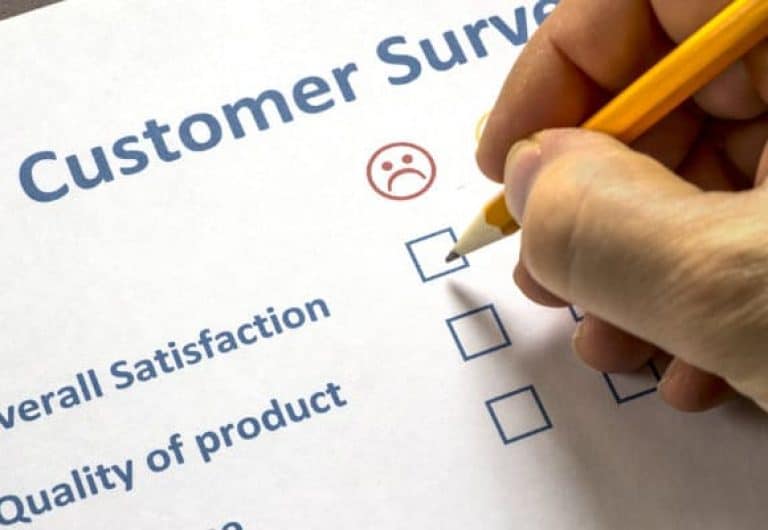
Como realizar uma reclamação em inglês!

Você já precisou reclamar alguma vez sobre um produto que você comprou, um determinado serviço ou até mesmo sobre um mau atendimento? Quem nunca, não é mesmo? Nesta dica, você vai aprender como fazer reclamações em inglês, assim como vocabulário relacionado ao tema.

Abaixo você encontra um vocabulário geral com palavras que podem ser úteis dependendo do serviço ou atendimento do qual você precisa reclamar.

Reclamações em Inglês – Vocabulário geral

Airline – Companhia aérea
Airport – Aeroporto
Amusement park – Parque de diversões
Apologize – Pedir desculpas
Ask – Pedir
Assistance – Assistência, Apoio, Auxílio
Assistant – Assistente
Attitude – Atitude, Postura
Auto repair shop ou Garage – Oficina mecânica
Available – Disponível
Awful – Horrível, Horroroso, Terrível
Baby store – Loja infantil ou bebê
Bag – Mochila
Bakery – Padaria
Bank – Banco
Be aware of – Estar ciente/a par de
Beauty salon/parlor/shop – Salão de beleza
Blame someone for something – Culpar ou responsabilizar alguém por alguma coisa
Booking problems – Problemas de agendamento/reserva
Brand new – Novo em folha
Cancel – Cancelar
Clothing store – Loja de roupas
Company – Empresa
Compensate – Compensar
Complain – Reclamar
Computer store – Loja de informática
Contact – Contactar
Credit card – Cartão de crédito
Customer – Cliente
Customer service – Serviço ao cliente
Deal with something – Lidar com algo
Decision – Decisão
Defect – Defeito
Delay – Atraso, Demora
Demand – Exigir
Department of transportation – Departamento de transporte
Disappointed – Desapontado, Decepcionado
Disapprove – Desaprovar, Reprovar
Dissatisfied – Insatisfeito, Descontente
Drugstore – Farmácia ou Drogaria
Express dissatisfaction – Expressar insatisfação/descontentamento
Faulty product – Produto defeituoso
File a complaint (formal) – Fazer/Registrar uma reclamação, Fazer uma queixa
Fill out a form – Preencher um formulário
Flaw – Falha
Flight – Voo
Flower shop – Floricultura
Get your money back – Ter o seu dinheiro de volta
Grocery store – Mercearia
Hair salon – Cabeleireiro
Health insurance plan ou Health Plan – Convênio médico, Plano de saúde
Help – Ajudar
Hospital – Hospital
Hotel – Hotel
Inappropriate – Inadequado, Inapropriado
Incompetence – Incompetência
Inform – Informar
Intolerable – Intolerável
Landlady – Proprietária, Dona
Landlord – Proprietário, Dono
Laundromat ou Laundry – Lavanderia
Law – Lei
Lawyer – Advogado
Make a complaint – Fazer uma reclamação, Fazer uma queixa
Malfunction – Mau funcionamento
Mall – Shopping center
Manager – Gerente
Manufacturer – Fabricante
Mistake – Erro, Engano
Noise – Barulho
Odor – Cheiro, Odor
Passenger – Passageiro
Patient – Paciente
Pay – Pagar
Pet Shop – Pet Shop
Postpone – Adiar, Atrasar, Postergar, Protelar
Problem – Problema
Protest – Protestar
Provide – Fornecer
Quality – Qualidade
Quality assurance – Controle de qualidade
Receptionist – Recepcionista
Refund – Reembolso, Restituição
Real estate agency – Imobiliária
Regret – Se arrepender ou arrependimento
Requirement – Requisito, Exigência
Report an issue – Reportar um problema
Reputation – Reputação
Request – Solicitação, Pedido
Responsible – Responsável
Restaurant – Restaurante
Room – Quarto
Rude – Rude, Arrogante
School – Escola
Security company – Empresa de segurança
Service – Serviço, Atendimento
Service representative – Representante de atendimento/serviço
Solution – Solução
Something wrong – Algo errado
Store – Loja
Sue – Processar
Supermarket – Supermercado
Supervisor – Supervisor/a
Support – Apoio, Suporte, Assistência
Standard – Padrão, Norma
Take responsibility for something – Assumir a responsabilidade por algo
Tenant – Inquilino/a
Technical problem – Problema técnico
There is a misunderstanding – Há um mal entendido/equívoco
Thorough analysis – Análise minuciosa
Toy store ou Toy shop – Loja de brinquedos
Transportation Security Administration (TSA) – Administração de Segurança de Transportes
Travel agency – Agência de viagens
Traveler – Viajante
Unacceptable – Inaceitável, Inadmissível
Understandable – Compreensível
Unpleasant experience – Experiência desagradável
Upset – Chateado, Aborrecido
Waiter – Garçom
Waitress – Garçonete
Witness – Testemunha
Warranty – Garantia
Work – Serviço

Segue abaixo algumas sentenças que podem ser usadas sobre reclamação em inglês. Você não precisa seguir exatamente cada uma delas, são apenas ideias que podem auxiliar o seu processo inicial de reclamação.

Reclamações em Inglês – Iniciando uma reclamação

I have a complaint to make… – Eu tenho uma reclamação a fazer…
I have a serious complaint about… – Eu tenho uma reclamação grave sobre…
I have been patient long enough, but… – Eu fui paciente o tempo suficiente, mas …

I’m afraid I’ve got a complaint about… – Eu receio ter uma reclamação sobre…
I’m afraid there is a slight problem with… – Receio que haja um pequeno problema com…

I’m angry about… – Estou com raiva de…
I’m dissatisfied with… – Eu estou insatisfeito com…
I’m not completely happy with the result of… – Eu não estou completamente feliz com o resultado do/de…
I’m not happy at all with… – Eu não estou nada feliz com…
I’m not satisfied with… – Eu não estou satisfeito com…
I’m particularly unhappy about… – Estou particularmente descontente com…

I am writing in order to complain about… – Estou escrevendo para reclamar sobre…
I am writing regarding… – Estou escrevendo sobre/com respeito a…
I am writing to complain about… – Estou escrevendo para reclamar sobre…
I am writing to express my dissatisfaction with… – Estou escrevendo para expressar minha insatisfação com…

I’m sorry, but I might not have been very clear about what I wanted… – Sinto muito, mas talvez eu não tenha sido muito claro sobre o que eu queria…
I’m sorry, but the… is not what I expected… – Sinto muito, mas o… não é o que eu esperava…
I’m sorry to have to inform you that… – Sinto muito ter que informar que…
I’m sorry to have to say this, but… – Sinto muito ter que dizer isso, mas…
I’m sorry to say this, but… – Lamento dizer isso, mas…

I understand it’s not your fault, however… – Eu entendo que não é sua culpa, porém…
I want to complain about… – Eu quero reclamar sobre…
I wish to express my dissatisfaction with… – Eu desejo expressar a minha insatisfação com…
I would like to file a complaint… – Eu gostaria de registrar uma reclamação…

Can you help me with this? I have a problem with… – Você pode me ajudar com isto? Eu tenho um problema com…
Could I please speak with…? – Eu posso falar com…
Could you help me with…? – Você poderia me ajudar com…
Despite my request for… – Apesar do meu pedido de…

Excuse me, I understand that… – Me desculpe, eu entendo que…
Excuse me, I wonder if you can help me with… – Com licença, gostaria de saber se você pode me ajudar com…
Excuse me, but I think you may have forgotten to… – Me desculpe, mas acho que você esqueceu de…
Excuse me, but I have been waiting for over an hour and… – Me desculpe, mas eu estou esperando há mais de uma hora e…
Excuse me, but I was expecting… but… – Me desculpe, mas eu estava esperando… mas…
Excuse me, but there is a problem about… – Com licença, mas há um problema sobre…

How can we fix this? – Como podemos resolver/consertar isso?
Look, I’m not really satisfied with the way you… – Veja, eu não estou realmente satisfeito da forma que você…
Pardon me, but… – Perdoe-me, mas…
Perhaps there was a misunderstanding, but… – Talvez tenha havido um mal-entendido, mas…
Sorry to bother you, but… – Desculpe incomodá-lo, mas…

There appears to be a problem here… – Parece haver um problema aqui…
There is something I need to talk to you about… – Tem algo que eu preciso falar com você sobre…
There seems to be a problem.. – Parece haver um problema…
Unfortunately, your product/service was… – Infelizmente, seu produto/serviço foi…

Reclamações em Inglês – Frases com tradução

My wife complains all the time. (A minha esposa reclama o tempo todo.)

I didn’t complain about anything. (Eu não reclamei de nada.)

How do I make a complaint? (Como faço uma reclamação?)

Sorry to bother you, but why is my order taking so long? (Desculpe incomodá-lo, mas por que o meu pedido está demorando tanto?)

I understand it’s not your fault, but they are charging me for something that I didn’t buy. (Eu entendo que a culpa não é sua, mas eles estão me cobrando por algo que eu não comprei.)

I have a complaint to make. (Eu tenho uma reclamação a fazer.)

I am particularly unhappy about the delivery service. (Eu estou particularmente descontente com o serviço de entrega.)

I would like to file a complaint. Even though I previously mentioned her disability, no ramp was available. (Eu gostaria de registrar/fazer uma reclamação/queixa. Embora eu tenha mencionado anteriormente a deficiência dela, nenhuma rampa estava disponível.)

I am sorry to say this, but there is something wrong with my package. (Eu lamento dizer isso, mas há algo errado com o meu pacote.)

I am afraid that there was a misunderstanding. I ordered shepherd’s pie, but the waitress brought me lasagna. (Eu receio que houve um mal-entendido. Eu pedi escondidinho de carne, mas a garçonete me trouxe lasanha.)

I am dissatisfied with this product and I would like to ask for a refund. (Eu estou insatisfeito com este produto e gostaria de solicitar um reembolso.)

I am afraid that there was a slight problem with the AC installation. I would like to talk with the manager. (Receio que tenha havido um pequeno problema com a instalação do ar condicionado. Eu gostaria de falar com o gerente.)

I have a complaint to make about my stay. Unfortunately, the hotel didn’t meet all my requirements. (Eu tenho uma reclamação a fazer sobre a minha estadia. Infelizmente, o hotel não atendeu todos os meus requisitos.)

What was the customer complaining about? (Do que o cliente estava reclamando?)

I’m not happy at all with the customer service. The assistant was very rude to me and I would like to talk with the manager. (Eu não estou contente de forma alguma com o atendimento ao cliente. O assistente foi muito rude comigo e eu gostaria de conversar com o gerente.)

I would like to file a complaint against the airline XYZ, because my bag was stolen. (Eu gostaria de registrar uma reclamação contra a companhia aérea XYZ, porque a minha mochila foi roubada.)

I am sorry to say this, but I am really disappointed with your service. (Me desculpe dizer isso, mas eu estou realmente desapontado com o seu serviço.)

I understand it’s not your fault, however I’m not completely happy with the result of the service. How can we fix it? (Entendo que a culpa não é sua, mas eu não estou completamente satisfeito com o resultado do serviço. Como podemos arrumar isso?)

Excuse me, but there appears to be a problem here. The food is too salty. (Me desculpe, mas parece haver um problema aqui. A comida está muito salgada.)

I am not happy at all with this service. (Eu não estou nada satisfeito com este serviço.)

Envie aqui suas dúvidas!

Basta preencher o formulário abaixo que esclareceremos para você. Em <strong>Tópico da dúvida</strong> escreva o título da série de exercícios você ficou com dúvida.

    X
    DÚVIDAS? CLIQUE AQUI!